





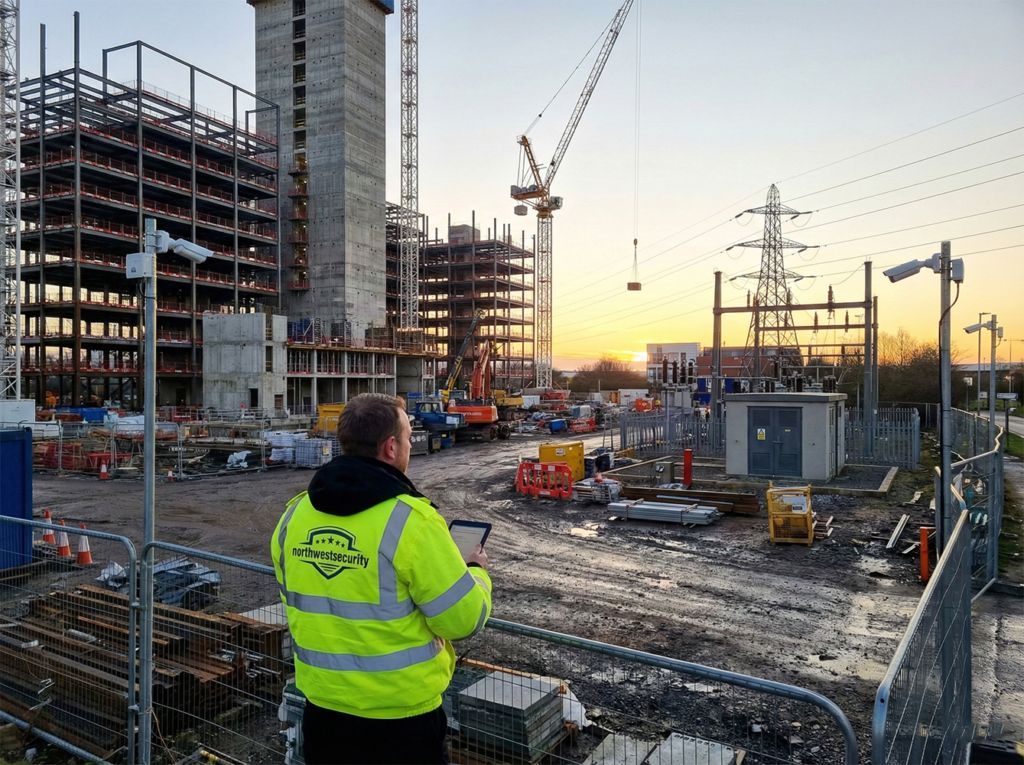
The sectors of Construction, Infrastructure, and Utilities serve as the backbone of any growing economy. However, the expansive nature of these sites—ranging from high-rise developments to remote utility substations—presents a unique set of security challenges. Protecting these assets requires more than just a perimeter fence; it demands a sophisticated, multi-layered approach to risk management.
The Growing Risks in Physical Infrastructure
Large-scale projects are often targets for theft, vandalism, and unauthorized access. High-value machinery, copper wiring, and specialized materials are significant draws for organized crime. Beyond the financial loss of stolen assets, the true cost lies in operational downtime. A single night of vandalism can lead to weeks of project delays, missed deadlines, and increased insurance premiums. Furthermore, utility sites and critical infrastructure are often located in remote or unmanned areas. These locations require 24/7 vigilance to prevent sabotage or accidental damage that could disrupt essential services for thousands of people.
A Comprehensive Security Strategy
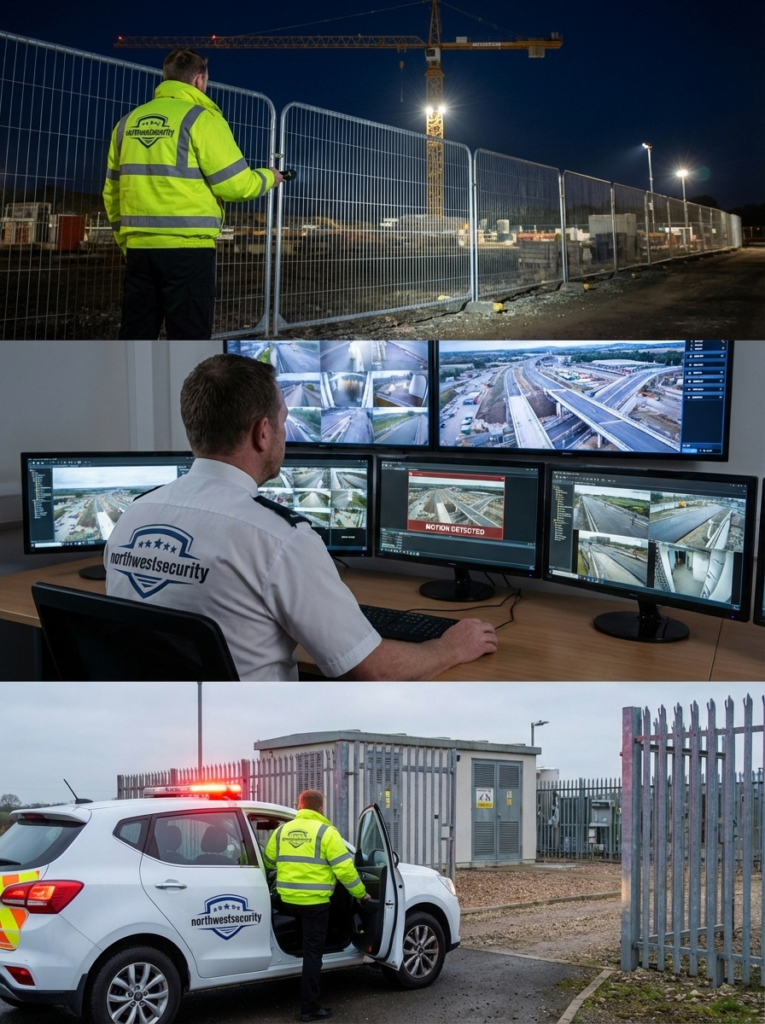
To effectively mitigate these risks, a hybrid security model—combining physical presence with advanced technology—is the most effective solution.
24/7 Manned Guarding:
Having trained security professionals on-site provides an immediate deterrent. Guards are not only there to prevent entry but to manage site access, perform regular patrols, and respond instantly to incidents.
CCTV & Remote Monitoring:
In large-scale infrastructure, it is impossible for human eyes to be everywhere at once. Integrated CCTV systems, monitored by a central control room, allow for total site coverage. Modern systems can even use AI to detect unusual movement after hours, alerting mobile response teams instantly.
Mobile and Alarm Response:
For utility sites that don’t require a permanent guard, mobile patrols provide a cost-effective alternative. These units perform random site checks and are the first on the scene if a silent alarm is triggered.
Safety as a Priority
In construction and utilities, security and safety are two sides of the same coin. Security personnel often act as the first line of defense in health and safety compliance, ensuring that anyone entering the site has the correct credentials and is wearing appropriate PPE. By controlling access, security teams prevent members of the public from accidentally wandering into high-risk zones, such as deep excavations or high-voltage areas.
Conclusion
As the UK continues to invest in its infrastructure and utility networks, the sophistication of threats will only continue to evolve. For project managers and site owners, security cannot be an afterthought. By investing in professional guarding and integrated monitoring, you aren’t just protecting equipment—you are protecting the timeline, the budget, and the safety of the workforce.