





Beyond the Gate: The Importance of Welfare-Led Student Security
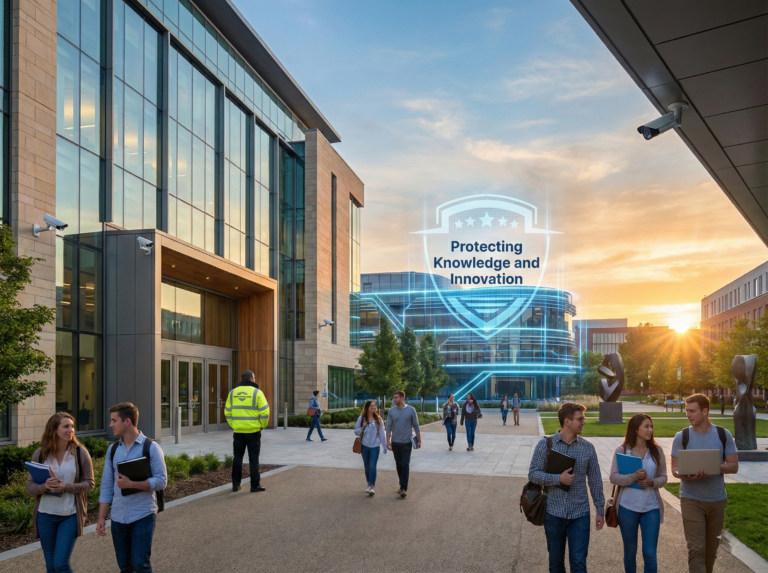
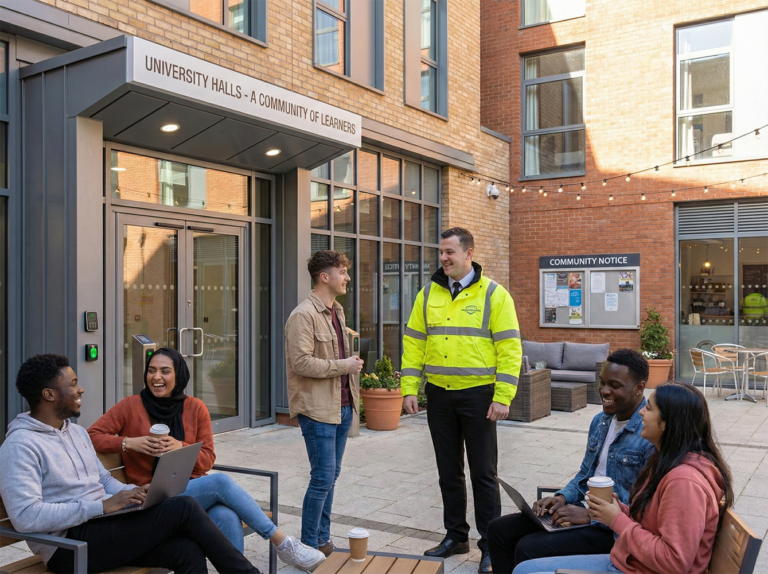
Securing student accommodation is a unique challenge that requires more than just traditional guarding. These buildings are not just assets; they are homes for thousands of young people, often living away from family for the first time. Effective security in this sector must blend rigorous safety protocols with a welfare-led approach.
A Community-Focused Approach
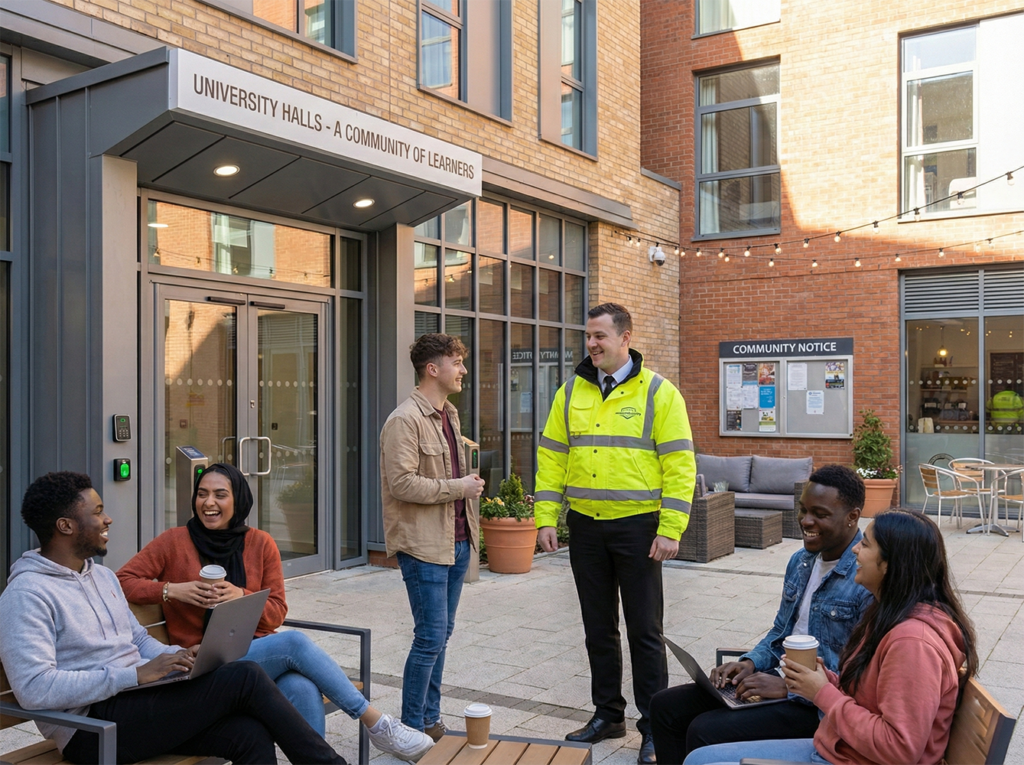
The primary goal of student accommodation security is to create a space where residents feel safe to live, study, and socialize. This involves managing high-density foot traffic and ensuring that only residents and authorized guests can enter the premises.
Key Components of Student Safety:
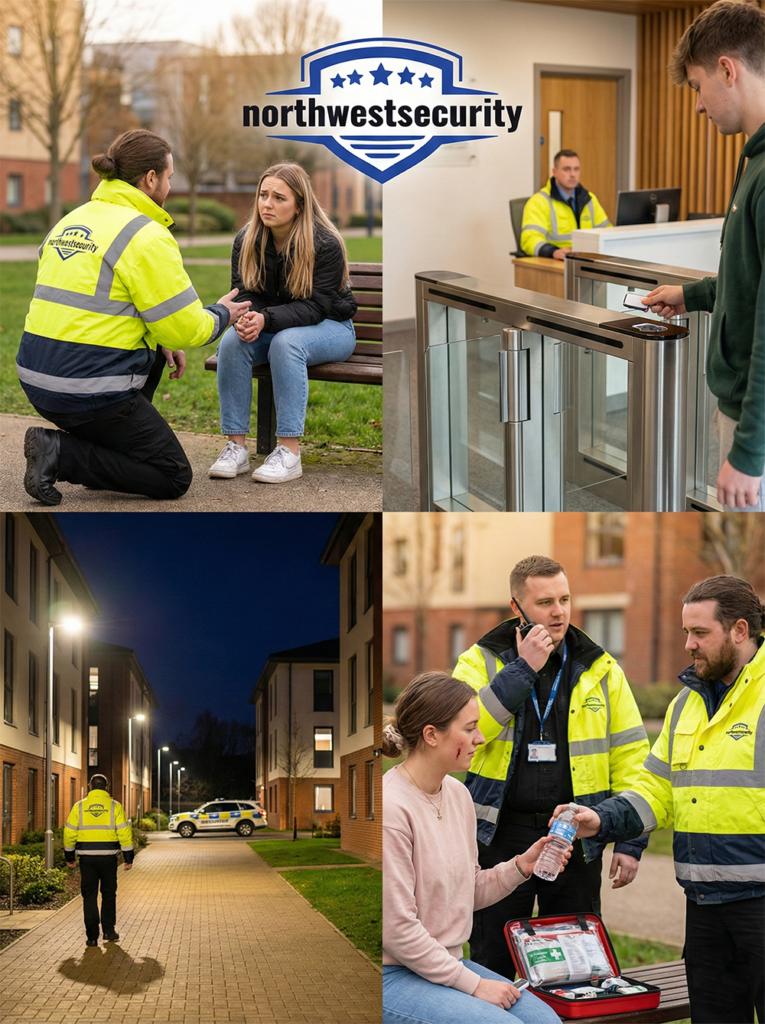
Welfare-Trained Personnel
Security officers in these environments are often the first point of contact for students in distress. Training in mental health awareness and de-escalation is just as important as physical security training.
Controlled Access Points:
Implementing robust entry systems, such as fob access and guest registration protocols, to prevent unauthorized entry while maintaining a welcoming atmosphere.
Night-Time Vigilance:
24/7 onsite presence ensures that help is always available, providing peace of mind for both the students and their parents.
Incident Response & Reporting:
Rapid response to noise complaints, fire alarms, or medical emergencies, backed by detailed reporting to management to ensure ongoing site safety.
Conclusion By prioritizing a “security through community” model, providers can ensure their accommodation remains a top choice for students. When security is visible, approachable, and professional, it doesn’t just protect the building—it protects the student experience.